Best Time to Visit Playa Grande, Costa Rica

Playa Grande has two seasons, and both have something going for them. Here is what to expect month by month, so you can pick the trip that suits you.
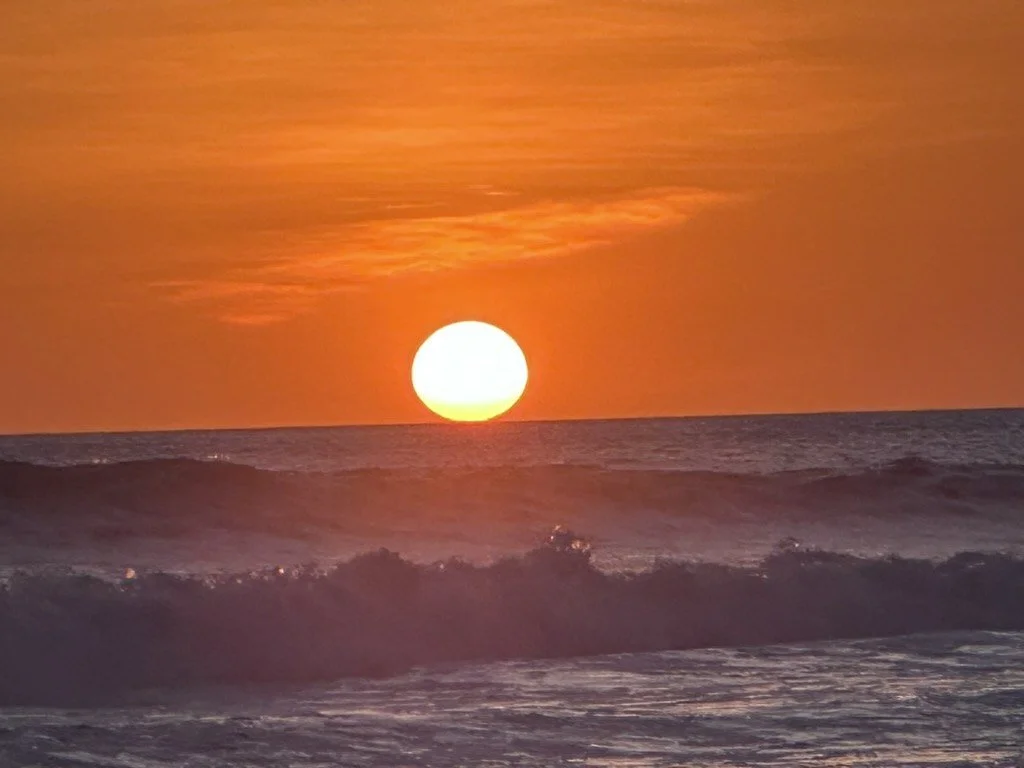
Sunset over the Pacific waves at Playa Grande, Guanacaste, Costa Rica

Dry season: December to April

This is high season in Guanacaste. Expect blue skies almost every day, warm temperatures, steady offshore winds in the mornings and very little rain. The landscape turns golden and dry, and the beaches are at their busiest, especially around Christmas, New Year and Easter week (Semana Santa).

Best for: guaranteed sunshine, family holidays, sunset sails and first-time visitors.

Book early: villas and tours fill up months ahead for the holidays.
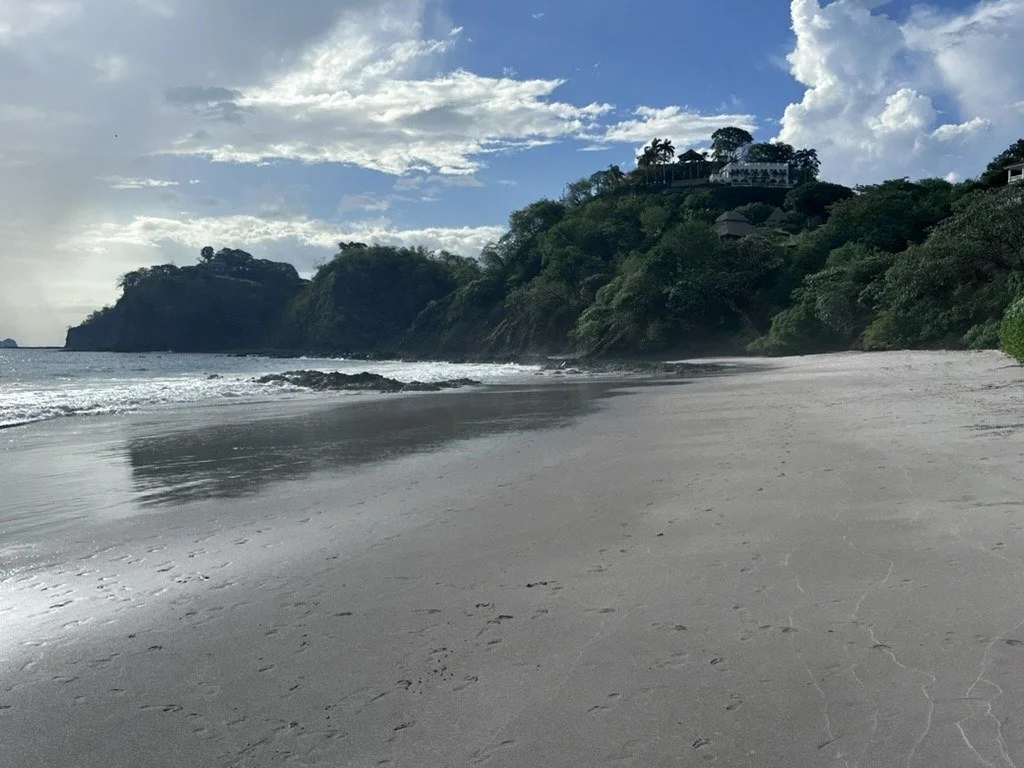
Sunny dry-season day on a Guanacaste beach near Playa Grande, Costa Rica

Green season: May to November

Costa Ricans call the rainy season the época verde. A typical day starts sunny, with a heavy shower in the afternoon or evening, and the hills turn bright green. Prices are lower, the beaches are quieter and the surf is bigger and more consistent.

  • May to August: usually the gentlest part of the green season. July often brings a dry spell locals call the veranillo ("little summer").

  • September and October: the wettest months. Some roads and small businesses slow down, but you will have the beach almost to yourself.

  • November: the rain tapers off and the countryside is at its greenest.

Best for: surfers, wildlife lovers, travellers on a budget and anyone who likes quiet beaches.
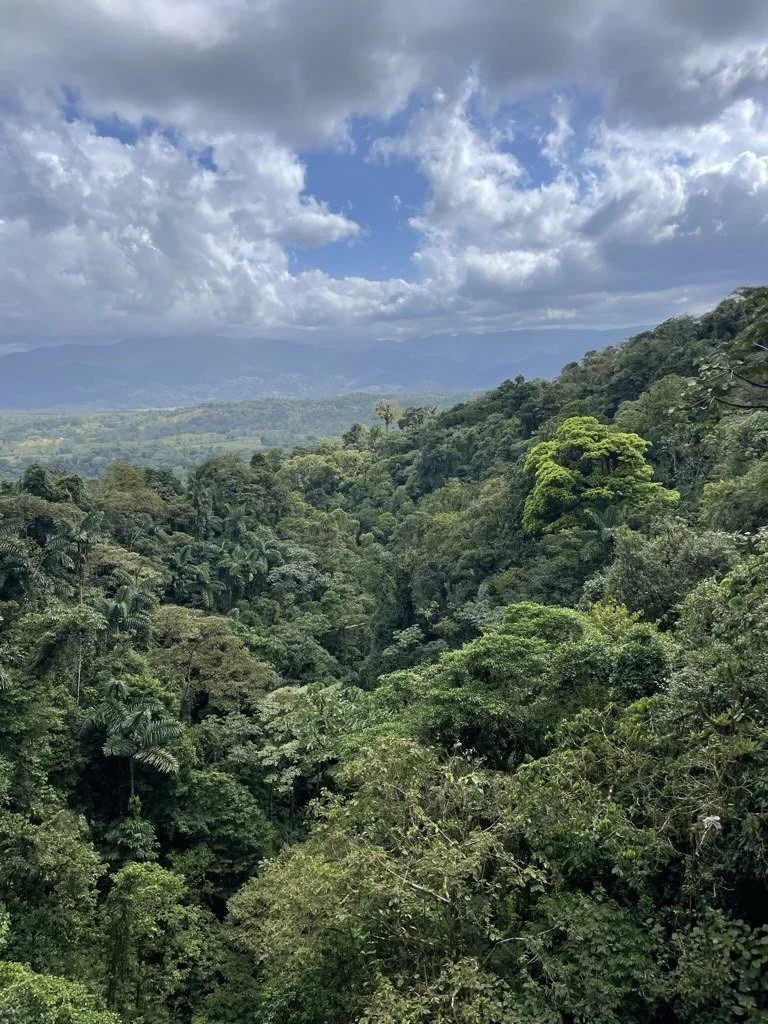
Lush green forest in Guanacaste, Costa Rica, during the rainy green season

Leatherback turtle season

Playa Grande is one of the most important nesting beaches for the leatherback sea turtle on the Pacific coast. Nesting season usually runs from about October to February, and the beach is part of Las Baulas National Marine Park. Night visits are only allowed on official guided tours. Read our guide to leatherback turtle season and the Las Baulas Park page for more.

Our pick

For sunshine and an easy first trip, come between mid-December and April. For value, surf and green landscapes, try June, July or November.

Whenever you come, Casa Perico Azul's private pool and shaded terrace make the hottest dry-season afternoons and the rainiest green-season evenings equally easy.

See Casa Perico Azul → Plan your trip →

David Rosenblum

David Rosenblum, MD, currently serves as the Director of Pain Management at Maimonides Medical Center and AABP Integrative Pain Care. As a member of the Department of Anesthesiology, he is involved in teaching, research, CME activities, and was key faculty in developing the anesthesiology residency's regional anesthesia block rotation, as well as institutional wide acute and chronic pain management protocols to ensure safe and effective pain management. He currently is a managing partner in a multi-physician private pain practice, AABP Integrative Pain Care, located in Brooklyn, NY. He is one of the earliest interventional pain physicians to integrate ultrasound guidance to improve the safety and accuracy of interventional pain procedures.

Awards

New York Magazine: Top Doctors: 2016, 2017, 2018, 2021, 2022, 2023, 2024, 2025

Schneps Media: 2015, 2016, 2017, 2019, 2020

Top Doctors New York Metro Area (digital guide): 2016, 2017, 2018, 2019, 2020, 2021, 2022, 2023 2025

Schneps Media - Brooklyn Courier Life: 2021, 2022, 2023

Dr. Rosenblum written several book chapters on Peripheral Neuromodulation, Radiofrequency Ablation, and Pharmacology. He has published numerous noteworthy articles and most recently is developing the ASIPP Guidelines for Peripheral Neuromodulation in the treatment of chronic pain. He has been named several times in NY Magazine's Best Pain Management Doctor List, Nassau County’s Best Pain Physician, has appeared on NY1 News, and has made several appearances on XM Radio's Doctor Talk. He currently is lecturing on a national and international level and has partnered with the American Society of Interventional Pain Physicians (ASIPP), American Society of Pain and Neuroscience (ASPN), IASP Mexican Chapter, Eastern Pain Association (EPA), the North American Neuromodulation Society (NANS), World Academy of Pain Medicine United, as well as various other organizations, to support educational events and develop new courses. Since 2008, he has helped over 3000 physicians pass the Pain Management Boards, and has been at the forefront of utilizing ultrasound guidance to perform pain procedures. He now hosts the PainExam podcast, AnesthesiaExam Podcast, PMRExam Podcasts and uses this platform to promote the safe and effective use of ultrasound in the performance of various procedures such as Peripheral Nerve Stimulation, Caudal Epidurals, Selective Nerve Root Blocks, Cluneal Nerve Blocks, Ganglion impar Blocks, Stellate Ganglion Blocks, Brachial Plexus Blocks, Joint Injections and much more!

Doctor Rosenblum created the NRAP (Neuromodulation Regional Anesthesia and Pain) Academy and travels to teach various courses focused on Pain Medicine, Regenerative Medicine, Ultrasound Guided Pain Procedures and Regional Anesthesia Techniques.

Dr. Rosenblum is persistent when it comes to eliminating pain and has gained a reputation among his patients for thinking "outside the box" and implements ultrasound guidance to deposit medications, biologics (PRP, Bone Marrow Aspirate, etc.) and Peripheral Nerve Stimulators near pain generators.

Previous
Previous

Leatherback Turtle Season in Playa Grande: How to See Them Responsibly